NFL Prediction Markets vs Traditional Fixed-Odds Sportsbooks
 Available in US
Prediction markets generated roughly 633 million dollars in volume around Super Bowl LX, according to estimates from H2 Gambling Capital and iGaming Business. That sounds substantial until you set it beside the 1.76 billion dollars wagered through legal US sportsbooks on the same game. Prediction markets are growing fast, attracting media attention and regulatory scrutiny in equal measure, yet they remain a fraction of the traditional betting ecosystem. For UK punters, understanding the distinction matters – not because you are likely to use both platforms daily, but because the prices on one can inform your decisions on the other.
I first encountered prediction markets through political wagering during the 2020 US election cycle. The mechanics felt foreign after years of placing bets with fixed-odds bookmakers, but the underlying principle clicked quickly: instead of a sportsbook setting a price and taking the other side, participants trade contracts with each other, and the price reflects collective belief about the probability of an outcome. When I started comparing NFL lines on prediction exchanges with those offered by UK sportsbooks, the discrepancies were sometimes startling – and occasionally profitable.
NFL Exchange Betting Mechanics vs Bookmaker Pricing
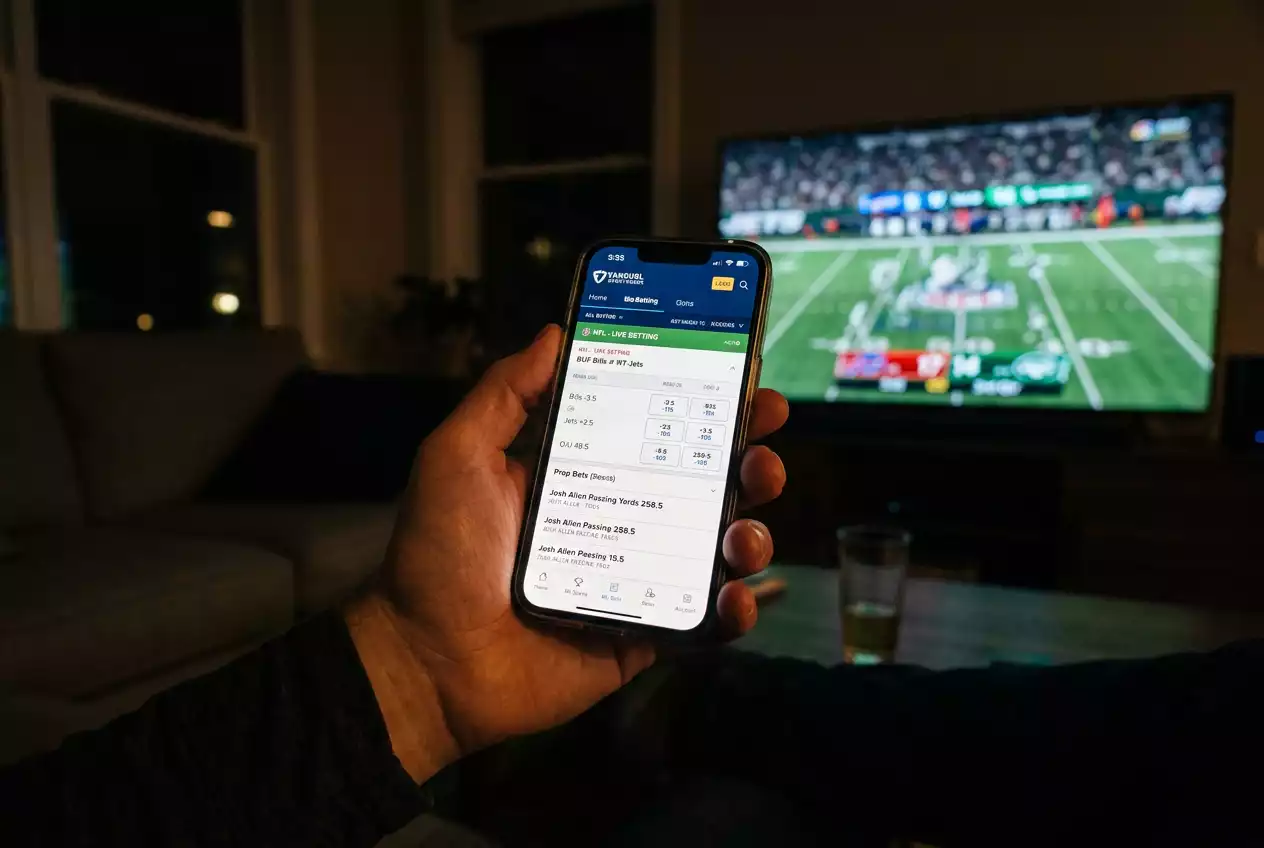
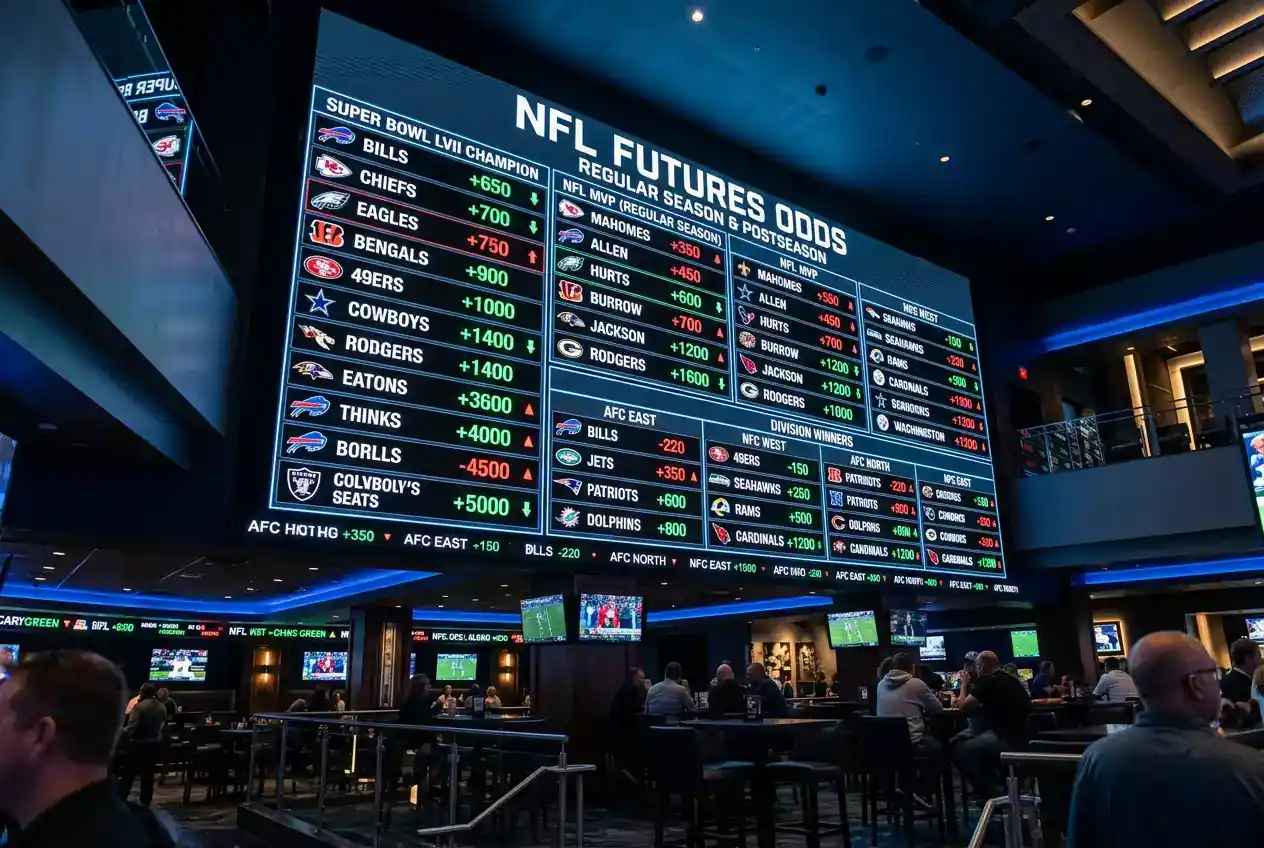
A traditional sportsbook – the model used by every UKGC-licensed bookmaker – sets odds, accepts bets, and absorbs risk. The bookmaker builds a margin (the overround) into every market to guarantee long-run profit regardless of the outcome. If you bet on the Kansas City Chiefs at 4/5 and I bet on the Cincinnati Bengals at 11/10, the sportsbook pockets the difference between the implied probabilities and the actual 100% probability of one team winning.
Prediction markets operate more like stock exchanges. You buy a contract priced between zero and one dollar (or the equivalent in local currency) that pays out one dollar if your chosen outcome occurs and nothing if it does not. The price of the contract at any given moment reflects the market’s consensus probability. If “Chiefs to win” contracts trade at 0.58, the market collectively assigns a 58% chance to that outcome. There is no bookmaker on the other side – another participant has sold you the contract, and the exchange takes a small commission on winning trades.
This structural difference has important consequences. In a sportsbook model, the margin is baked into every price, typically ranging from 4% to 8% on NFL spreads and moneylines. In a prediction market, the commission is charged only on profit, often at 5% to 10% of winnings. For bettors who win consistently, the effective cost is higher on a prediction exchange. For recreational punters who lose more often than they win, the exchange model is cheaper because you never pay commission on a losing trade.
Liquidity is the other critical distinction. Major UK sportsbooks offer deep liquidity on every NFL game – you can place a four-figure bet on a Sunday afternoon spread without moving the line. Prediction markets are thinner. A large order on an NFL contract can shift the price several percentage points, and during off-peak hours (which includes most of the UK evening for a US sport), spreads between buy and sell prices widen considerably. The global sports betting market was valued at 112.26 billion dollars in 2025, and the overwhelming majority of that volume flows through traditional sportsbooks, not exchanges.
Regulatory Status: US, UK and the Grey Areas
The regulatory landscape for prediction markets is fragmented and evolving. In the United States, platforms like Kalshi operate under Commodity Futures Trading Commission oversight, which classifies event contracts differently from sports wagers. This distinction allowed Kalshi to offer Super Bowl contracts in 2026 after a legal battle that reached a federal court, though the regulatory future remains contested. US sports betting operators argue that prediction market contracts on sporting events are functionally identical to bets and should fall under state gambling regulation.
In the UK, the situation is different. The Gambling Act 2005 and UKGC licensing cover fixed-odds betting, spread betting, and exchange betting (Betfair, for instance, operates under a UKGC licence as a betting exchange). Prediction markets that offer contracts on sporting events would likely require UKGC authorisation to operate legally for UK residents. As of mid-2026, no US-based prediction market platform holds a UKGC licence, which means UK punters cannot legally trade NFL contracts on these platforms.
The 2025 UK gambling reforms introduced a mandatory levy of 100 million pounds annually and tightened operator obligations around affordability checks. These measures apply to UKGC-licensed operators but not to offshore prediction markets, creating an uneven playing field that regulators are aware of but have not yet addressed comprehensively. If prediction markets grow to represent a larger share of NFL wagering volume, regulatory alignment between the UK and US may become a priority – but that is a medium-term prospect, not an immediate one.
What UK Punters Can and Cannot Access
At present, UK-based punters who want exchange-style NFL betting have one well-established option: Betfair Exchange, which operates under a UKGC licence and offers NFL spread, moneyline, and totals markets. Betfair’s model is closer to a prediction market than a traditional sportsbook – you back or lay outcomes against other users, and the exchange takes a commission on net winnings.
US prediction platforms like Kalshi, Polymarket, and PredictIt are either restricted to US residents or operate in regulatory grey areas that make UK participation inadvisable. Attempting to access these platforms through VPNs or intermediaries violates their terms of service and may breach UK gambling regulations. The risk is not worth the marginal analytical value.
Where prediction markets are genuinely useful for UK punters is as a data source rather than a betting venue. Prediction market prices on NFL outcomes provide an independent probability estimate that you can compare against your sportsbook’s implied probabilities. If your bookmaker prices the Buffalo Bills at 55% implied to beat the Miami Dolphins, but the prediction market consensus sits at 50%, that 5-percentage-point gap deserves investigation. It may reflect different information sets, different participant demographics, or a genuine mispricing that you can exploit through your regulated UK sportsbook.
The 13.5 million active online gambling accounts in the UK represent a massive pool of bettors who overwhelmingly use traditional fixed-odds platforms. As prediction markets mature and potentially seek UK licensing, the competitive dynamics could shift – tighter margins, more transparent pricing, and greater pressure on sportsbooks to reduce their overrounds. That future is not here yet, but it is worth monitoring for anyone who takes NFL betting seriously.
For now, prediction markets and sportsbooks serve different functions in a UK punter’s toolkit. Sportsbooks are where you place your bets. Prediction markets are where you check whether the sportsbook’s prices make sense. Treating them as complementary rather than competing tools is the most practical approach in the current regulatory environment.
Can UK residents use NFL prediction markets?
UK residents cannot legally trade on most US-based prediction market platforms such as Kalshi or Polymarket, as these do not hold UKGC licences. The closest regulated alternative is Betfair Exchange, which operates under a UKGC licence and offers NFL markets in a peer-to-peer exchange format. US prediction market prices can still be used as a reference point for analysing odds offered by UK sportsbooks.
How do prediction market odds compare to sportsbook odds for the NFL?
Prediction market prices typically reflect raw consensus probability without the built-in margin that sportsbooks add. This means prediction market implied probabilities often sum closer to 100%, while sportsbook probabilities sum to 104-108% due to the overround. Comparing the two can highlight games where sportsbook odds may be mispriced relative to collective market belief.
Created by the ”nfl Betting Ofds” editorial team.