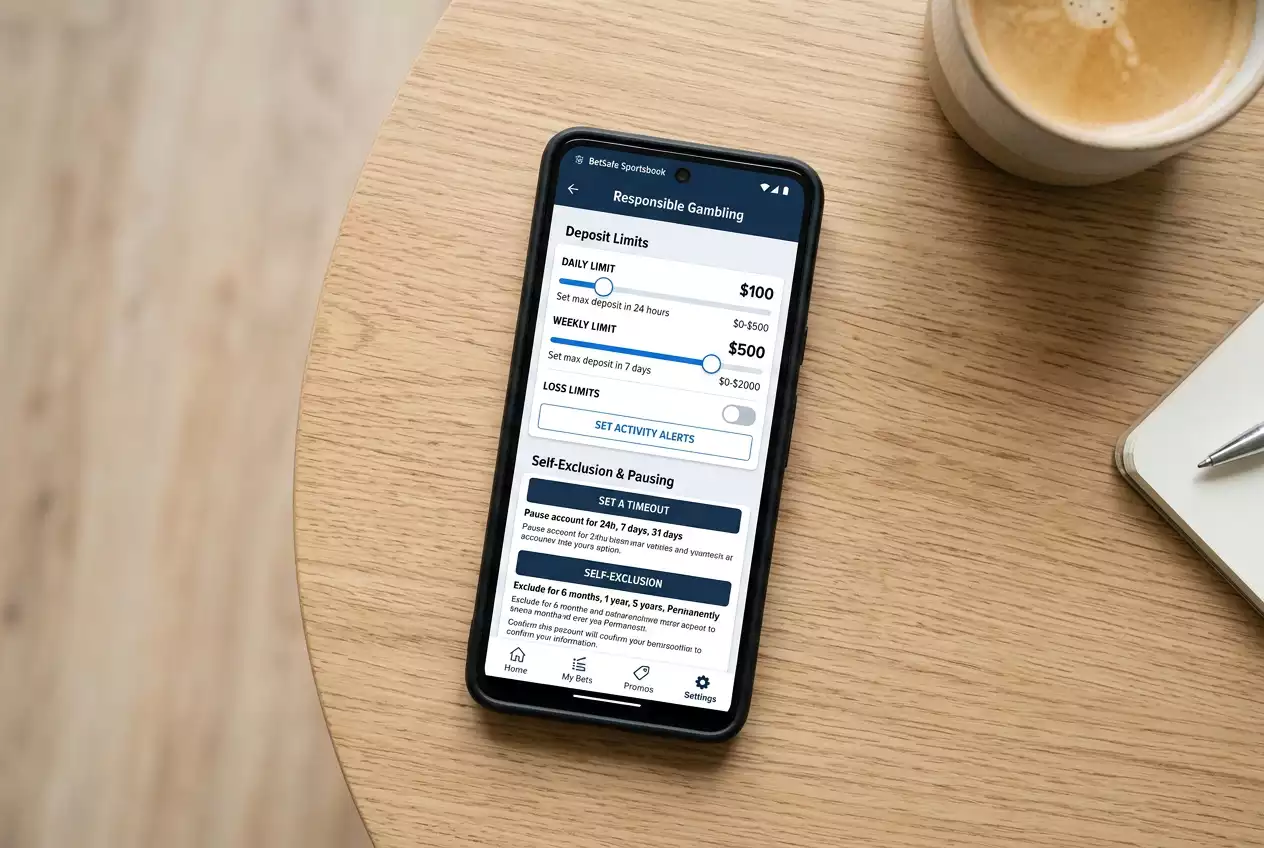
NFL Futures Betting Odds: Season Outrights and MVP Markets
 Available in US
Futures betting is the slowest game in sports wagering. You place your money in March, and you might not know the result until February. I have had futures tickets sit in my account for eleven months before they hit – and others that were dead by Week 4. The patience required is brutal, but when the pricing is right, futures markets reward the punter who is willing to wait.
The NFL generates more wagering handle than any other American league at major operators, per ESPN reporting, despite playing fewer games than the NBA or MLB. That concentrated demand inflates futures markets early and keeps them liquid throughout the season, which creates opportunity for UK punters who understand the rhythms of when and why these odds shift.
NFL Futures Betting Markets: Division Winners and Outrights
Last February, I spent an evening mapping every futures market I could find across five UK sportsbooks. The breadth was staggering – and most punters only scratch the surface.
Super Bowl winner is the flagship futures market, the one that draws the most volume and the widest coverage. Every UKGC-licensed sportsbook with NFL markets offers it, typically with all 32 teams priced from the off-season through the conference championships. Margins are wide – 15% to 25% overround is common – because the field is large and the outcome is uncertain for months.
Conference winner markets – AFC and NFC – cut the field in half and typically carry tighter margins. Division winner markets narrow the field further to four teams each, which reduces variance and allows for more targeted analysis. If you believe one team clearly dominates its division, a division winner bet locks in a better price than the equivalent Super Bowl future because you are removing the post-season coin-flip element.
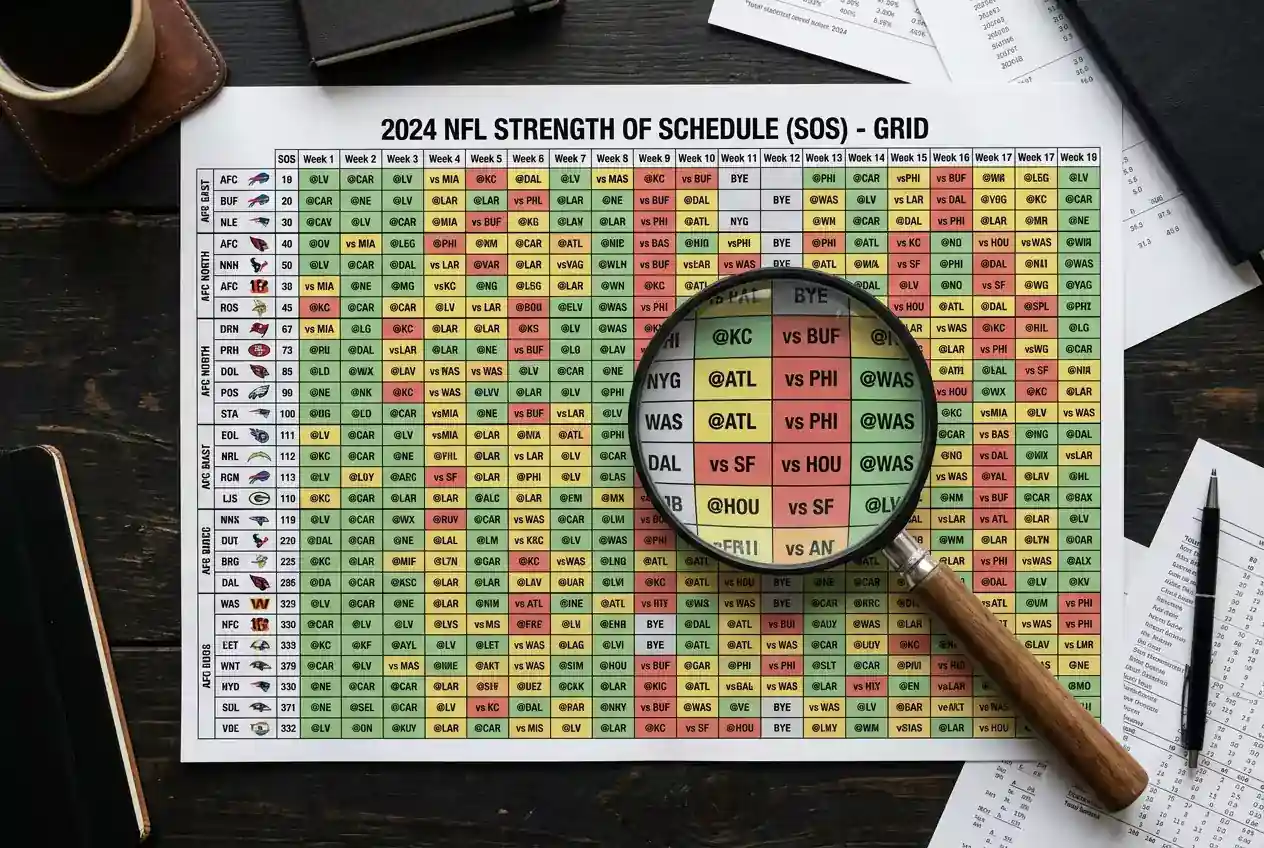
Regular-season win totals are among the most analytically approachable futures markets. The bookmaker sets a number – say 10.5 wins – and you bet over or under. Unlike outright winner markets, win totals are binary and can be modelled with reasonable accuracy using historical data, strength of schedule, and roster changes. I find these markets the most appealing for serious analysis because they reduce the role of single-elimination playoff variance.
MVP odds are another popular market, though they carry a unique risk: voter sentiment. The award is decided by media votes after the regular season, and narrative bias can override statistical dominance. A quarterback on a team that exceeds expectations often receives disproportionate support, which is worth considering when evaluating early-season MVP prices.
When Futures Odds Offer the Most Value
Timing is everything, and I mean that literally. The price you get on a futures ticket in March bears almost no resemblance to the price available in November. Understanding why – and when to act – is the core skill of futures betting.
The off-season is the loosest period. Bookmakers set opening lines based on projections, previous season performance, and anticipated roster moves. The information environment is noisy – free agency has not concluded, the draft has not happened, and nobody knows who will be healthy in September. That noise creates the widest range of possible outcomes, and the widest margins on the board. But it also creates the most value, because the market has not yet had the benefit of new data to narrow the field.
The American football market globally is valued at 26.65 billion dollars in 2025 with a projected CAGR of 4.23% through 2030, according to Statista’s market forecast. That growth trajectory means more liquidity flowing into NFL futures each year, which tightens margins incrementally but also makes the market more responsive to new information. A team that signs a marquee free agent in March will see its odds adjust within hours, not days.
Post-draft is my favourite window. Once the draft concludes in late April, the information environment clarifies significantly. You know who each team has added, and public reaction to draft picks often overweights flashy selections while undervaluing depth moves. Teams that quietly fill roster holes attract less attention – and their odds may not adjust fully until the summer, giving you a weeks-long window to act.
By mid-season, the market has absorbed enough game-film data to price teams efficiently. Value still exists but shifts from team-level analysis to injury-driven repricing. A starting quarterback going down can move a Super Bowl price from +800 to +2500 overnight. If your assessment of the backup quarterback is more optimistic than the market’s, mid-season injury reactions are the last reliable source of futures value before the playoffs lock in the final prices.
How the NFL Draft Reshuffles Futures Boards
The 2025 NFL Draft moved markets more violently than any I can remember. Roger Goodell has spoken publicly about expanding the league’s international presence to 16 games per season, with every team playing one game abroad – a structural change that will reshape how futures are priced once it takes effect. But in the short term, the draft remains the single biggest event on the futures calendar.
When a team selects a quarterback in the first round, the market reacts in two directions simultaneously. The drafting team’s odds shorten because of the perceived upgrade, while the teams that were rumoured to be in the running for that pick – and missed – often drift slightly. I track these movements in real time during draft night, comparing the pre-pick price to the post-pick price within thirty minutes. The fastest movers tend to overcorrect, and there is a brief window where the reaction overshoots the reality.
Defensive picks generate smaller but measurable movement. A team that adds an elite pass rusher or shutdown cornerback may see its win total nudge up by half a win and its Super Bowl price tighten by a few hundred points. The market respects defensive talent but values offensive firepower – especially quarterbacks – more aggressively.
My approach on draft night is simple: I have pre-set price targets for teams I have already analysed. If the draft outcome triggers a move past my target in the favourable direction, I act. If it does not, I wait. Emotional reactions to highlight reels and commentator hype are the enemy of good futures betting. The numbers move fast, and the first price is rarely the best. Letting the dust settle for 24 to 48 hours usually yields a more accurate market, unless you are specifically hunting for an overreaction to fade.
For UK punters exploring Super Bowl betting in detail, the draft is where the story begins – and where the smartest futures bets are often placed.
How do NFL futures odds change during the season?
Futures odds adjust continuously based on team performance, injuries, and remaining schedule difficulty. A team that starts 6-1 will see its Super Bowl and division winner odds shorten significantly, while a 2-5 start causes odds to drift. The sharpest movements occur after high-profile injuries, particularly to starting quarterbacks, and after decisive divisional matchups that clarify the playoff picture.
What is the difference between NFL division and conference winner bets?
A division winner bet covers four teams within one division – the bet wins if your selected team finishes with the best record in that division. A conference winner bet covers the entire AFC or NFC, with the bet winning if your team reaches and wins the conference championship game. Division bets have lower variance because the field is smaller, while conference bets carry higher risk and higher potential payout.
Published by the nfl Betting Ofds team.