NFL Season Betting Schedule: Preseason to Playoffs Markets
 Available in US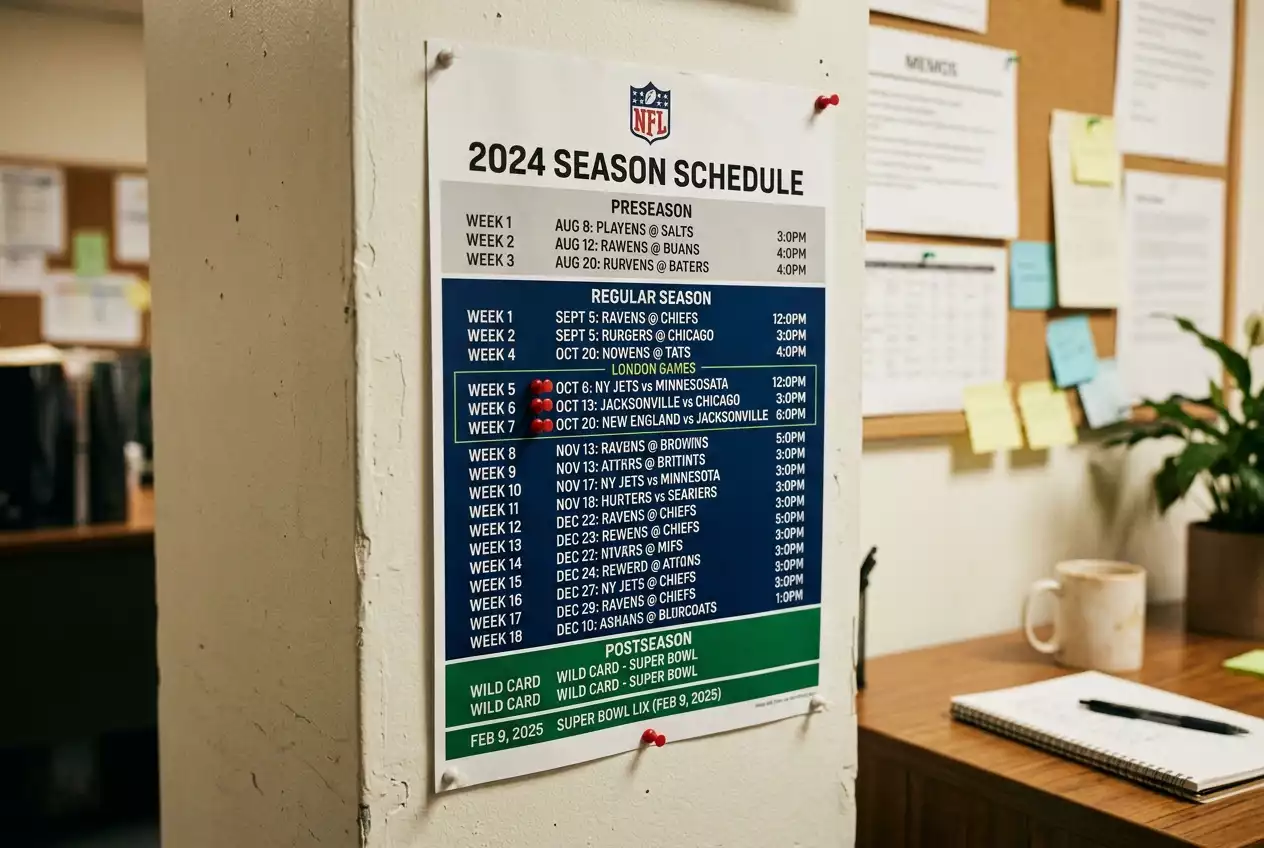
When I first started betting on the NFL from the UK, I treated every game week the same. Week 2 got the same analysis time as Week 16, and preseason received the same staking as the playoffs. It took two losing seasons to realise that the NFL calendar is not flat – it is shaped, and each phase creates fundamentally different betting conditions. Understanding those conditions is the first step to sizing your approach correctly.
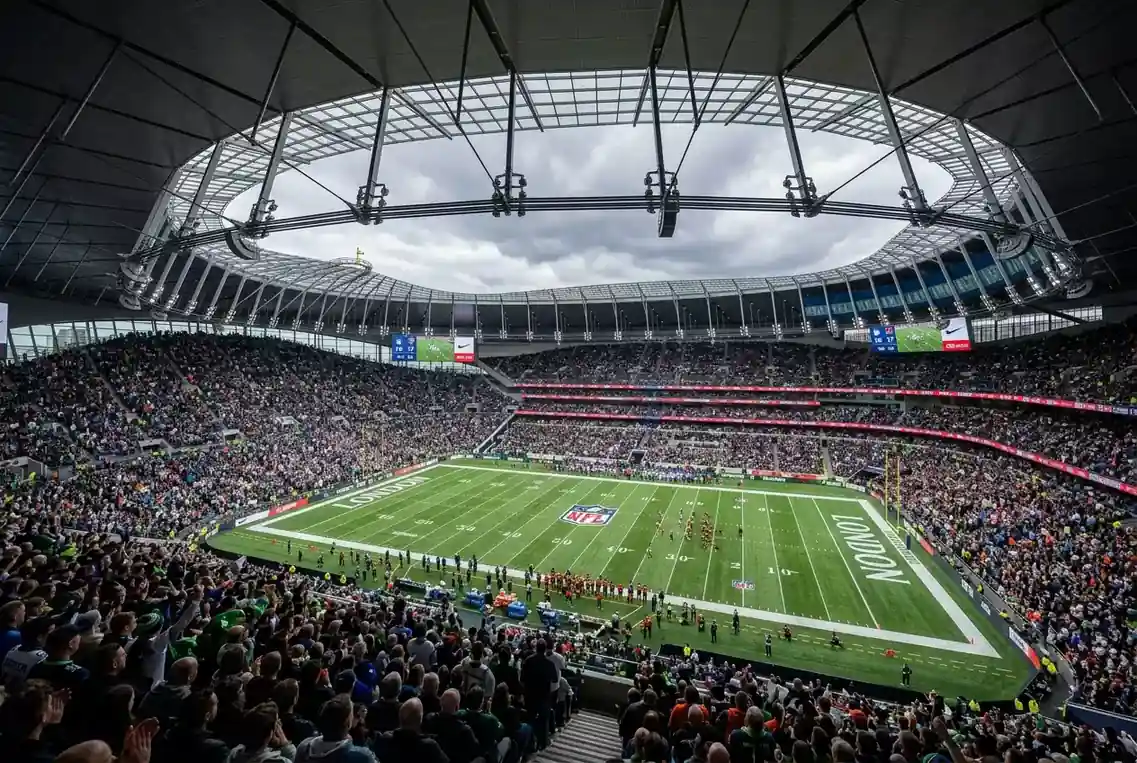
In 2026, three NFL games are scheduled for London across Tottenham Hotspur Stadium and Wembley, with additional international fixtures in München, Mexico City, Melbourne, and Paris. The expanding global calendar adds new wrinkles to an already complex schedule, and UK punters who pay attention to the structural dynamics have an edge over those who do not.
NFL Preseason Betting Markets and High-Variance Odds
Preseason is the wild west of NFL betting, and I mean that as both a warning and an invitation.
Starters play limited snaps – sometimes a single series, sometimes a full quarter, rarely an entire half. The players on the field for most of the game are second and third stringers fighting for roster spots, which means the team you see in August bears little resemblance to the team that takes the field in September. Bookmakers know this and price preseason lines with wider margins, but even those wider margins struggle to capture the genuine randomness of a contest between depth players.
I bet preseason sparingly and only on totals. Scoring tends to be lower than regular-season averages because backup quarterbacks are less efficient and coaching staffs run conservative playbooks. The under has been a profitable lean in preseason over the last five years of my tracking, though the edge is modest and the sample is small. If you engage with preseason markets at all, keep the stakes minimal and treat it as an information-gathering exercise rather than a profit engine.
Regular Season: 18 Weeks of Shifting Lines
The regular season is eighteen weeks long, and the betting landscape transforms roughly every six weeks as the information environment matures.
Weeks 1 through 4 are the most volatile. Bookmakers are working from projections and off-season data, and the market has not yet absorbed live performance. Overreactions to Week 1 results are common – a team that wins big in the opener sees its spread tighten by two to three points the following week, sometimes beyond what the performance warrants. I have found value in fading extreme early-season line movements, particularly when a team’s underlying metrics (EPA, DVOA) do not support the dramatic shift.
Weeks 5 through 12 are the sweet spot for analytical bettors. Enough data exists to build stable models, injuries have clarified the depth chart, and the market has settled into a rhythm. This is when I increase my activity and stake sizing, because the edge from superior analysis is most measurable against a market that is still digesting mid-season information.
Weeks 13 through 18 introduce motivation variables. Teams locked into playoff spots may rest starters. Teams eliminated from contention may tank. Divisional matchups take on outsized importance. I adjust my analysis to include playoff-clinching scenarios and rest patterns, and I avoid betting on games where one team has nothing to play for – the variance introduced by lineup uncertainty is too high to model reliably.
The bye week is the hidden wrinkle in the regular-season calendar. Each team gets one bye between Weeks 5 and 14, and the scheduling creates asymmetries: a team coming off bye faces an opponent on standard rest, gaining roughly two to three extra days of preparation. Post-bye teams cover the spread at a slightly higher rate historically, and I factor the bye into my analysis as a small but consistent tailwind. The effect is most pronounced when the team coming off bye was struggling before the break – the extra preparation time allows coaches to reset and address problems that snowballed during a losing stretch.
The NFL allowed up to six sportsbook advertisements per broadcast in the 2025 season, per NFL policy and RG.org data – one per quarter plus pregame and halftime. That integration reflects how central betting has become to the NFL viewing experience, and the advertising cadence itself follows the regular-season rhythm, with volume peaking during primetime and playoff-race weeks when viewership is highest.
Playoffs and Conference Championships
Roger Goodell has outlined a vision for sixteen international games per season, with every team playing one game abroad. That structural change will eventually alter how teams manage their rosters and energy across the regular season, but for now, the existing playoff format already creates distinct betting dynamics that reward a different approach from the regular season.
The playoff field is twelve teams, and the talent gap narrows dramatically. Regular-season spreads of seven or more points are common; playoff spreads above seven are rare. This compression means more games are decided by a single score, and the margin for error on spread bets shrinks. I shift my playoff betting toward moneylines and totals, where the analysis translates more cleanly, and reduce my spread activity unless I have a strong conviction that the line is mispriced by more than a point.
Conference championships and the Super Bowl attract the heaviest public betting volume of the year, which can distort lines in favour of popular teams. I look for spots where the less popular team receives disproportionate value because of the public money pushing the line the other way. These opportunities are rare – two or three per playoff cycle – but they tend to be the highest-confidence bets of my season.
For a closer look at how short-week fixtures like Thursday Night Football create their own micro-season within the calendar, I have covered the dynamics in detail in the Thursday Night Football betting breakdown.
How does the NFL bye week affect betting lines?
Teams returning from a bye week have had two weeks to prepare, heal injuries, and install new schemes. Historically, post-bye teams cover the spread at a slightly higher rate than their opponents, around 52-53% ATS. The effect is small enough that it should not drive a bet on its own, but it is a useful supporting factor when combined with other analytical signals.
Do NFL playoff odds differ significantly from regular-season odds?
Playoff spreads are generally tighter than regular-season spreads because the talent gap between teams is smaller. Spreads above seven points are rare in the post-season. The condensed field also means more games decided by a single score, which favours moneyline and totals analysis over spread betting. Public betting volume increases substantially during the playoffs, which can create value on less popular teams whose lines are pushed by recreational money.
Created by the ”nfl Betting Ofds” editorial team.