NFL Home-Field Advantage: Point Spread and Odds Adjustments
 Available in US
The old rule of thumb was simple: home-field advantage is worth three points on the spread. I used that number for my first two seasons of NFL betting without questioning it. Then I ran the data myself and discovered that the three-point adjustment has been quietly eroding for over a decade. The punter who still prices home field at three is operating on outdated information – and in a market where half a point matters, outdated information costs money.
Since 2007, the UK has hosted more than 39 regular-season NFL games, with a record crowd of 86,651 at Wembley in 2024, per Sky Sports and NFL.com data. Those London fixtures are essentially neutral-venue contests, and their growing presence on the calendar has drawn fresh attention to the broader question of how much home field actually matters in the modern NFL.
NFL Home-Field Point Spread Adjustments and Crowd Impact
In the 1990s, home teams won roughly 58% of NFL regular-season games. By the 2010s, that figure had slipped to around 56%. In recent seasons, it has hovered near 53-54%, which translates to a spread advantage of roughly 1.5 to 2 points rather than the traditional three.
Several factors explain the decline. Travel has improved: charter flights, dedicated sports nutrition on the road, and standardised hotel arrangements have reduced the physical burden of being the away team. Film study and digital preparation mean coaches no longer need to rely on home-venue familiarity to gain a schematic edge. And the growing share of NFL revenue from television – rather than gate receipts – has shifted the league’s incentive structure away from maximising home-crowd intensity.
The most compelling explanation I have encountered is the standardisation of playing surfaces. Decades ago, visiting teams faced genuine surprises – different turf types, unusual field dimensions, hostile environmental conditions. Today, playing surfaces are more uniform, and climate-controlled venues eliminate many environmental variables. The advantage that once came from knowing your own field has been levelled by infrastructure.
For betting purposes, I have adjusted my baseline home-field estimate to approximately two points. That is a league-wide average, and individual venues deviate from it – but starting at two rather than three puts my projections closer to where the market actually settles. I review my home-field estimates annually, checking whether the prior season’s data supports keeping the adjustment at two or whether a further reduction is warranted.
Dome vs Open Air, Altitude and Noise
Not all home fields are created equal, and the variation between venues creates opportunities for bettors who track the details.
Dome stadiums – the ones in Atlanta, Las Vegas, Minneapolis, Indianapolis, and the Superdome in New Orleans – provide a controlled environment that benefits the home team in one specific way: crowd noise. Sound does not dissipate in an enclosed space the way it does in an open-air stadium. The decibel levels in a packed dome can genuinely disrupt an opposing offence’s communication, leading to false starts, blown assignments, and wasted timeouts. I add roughly half a point to my home-field estimate for dome teams with strong attendance records.
Roger Goodell has announced a target of sixteen international games per season, aiming for every team to play one game abroad. When that vision is fully realised, the home-field calculus will shift again – teams playing seventeen home games instead of eight or nine will have slightly less home-crowd familiarity, and the international fixtures will function as neutral venues that dilute the overall impact of home advantage across the season.
Altitude is a niche factor but a real one. Denver’s Mile High Stadium sits at 5,280 feet above sea level, where the thinner air affects ball flight and can fatigue visiting players who are not acclimatised. The Broncos’ home-field advantage has historically been among the strongest in the league, and while it has declined alongside the overall trend, the altitude component adds a measurable edge that does not apply elsewhere.
Cold-weather outdoor venues – Green Bay, Chicago, Buffalo, Kansas City – create a different dynamic. Teams built for cold weather, with strong running games and physical defences, tend to outperform their baseline at home in December and January. Visiting teams from warm-weather or dome environments face a genuine disadvantage that goes beyond crowd noise. I factor weather-adjusted home-field advantage into late-season and playoff analysis, adding up to a full point in extreme conditions.
How Bookmakers Price Home-Field Advantage
The bookmaker does not assign a fixed home-field value and apply it uniformly. The process is more nuanced, and understanding it helps you identify where the market might be off.
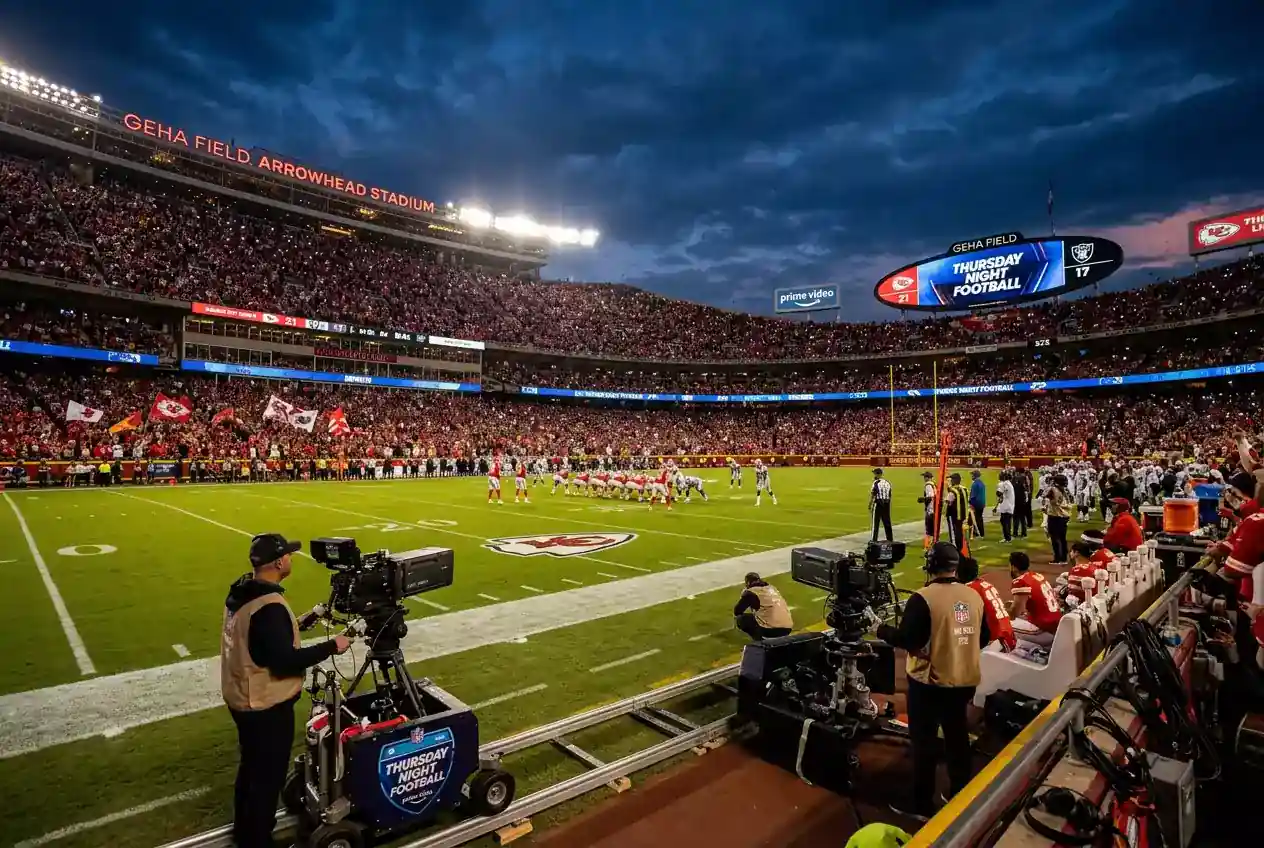
Oddsmakers start with team power ratings that reflect each side’s quality on a neutral field. They then apply a venue-specific adjustment that considers the home team’s historical home-away splits, the opponent’s road performance, crowd capacity and engagement, and any environmental factors like weather or altitude. That adjustment varies by matchup – a packed Arrowhead Stadium on a Sunday night might receive a larger bump than a half-empty dome on a Thursday afternoon.
Where I find edge is in the gaps between the bookmaker’s venue adjustment and the actual conditions of a specific game. A home team that is dealing with a fanbase controversy, low attendance expectations, or a heavily injured roster may not generate the crowd energy that the standard venue adjustment assumes. Conversely, a rival visiting for a divisional grudge match may face a more hostile atmosphere than a typical away fixture, which the bookmaker’s adjustment may underweight.
The London Games present the starkest version of this problem. A team designated as “home” in London receives no meaningful home-field advantage, yet some bookmakers still bake in a small adjustment for the designation. For a detailed look at how London fixtures distort the home-team dynamic, I have written a specific analysis on NFL London Games betting and crowd bias.
How many points is NFL home-field advantage worth in the spread?
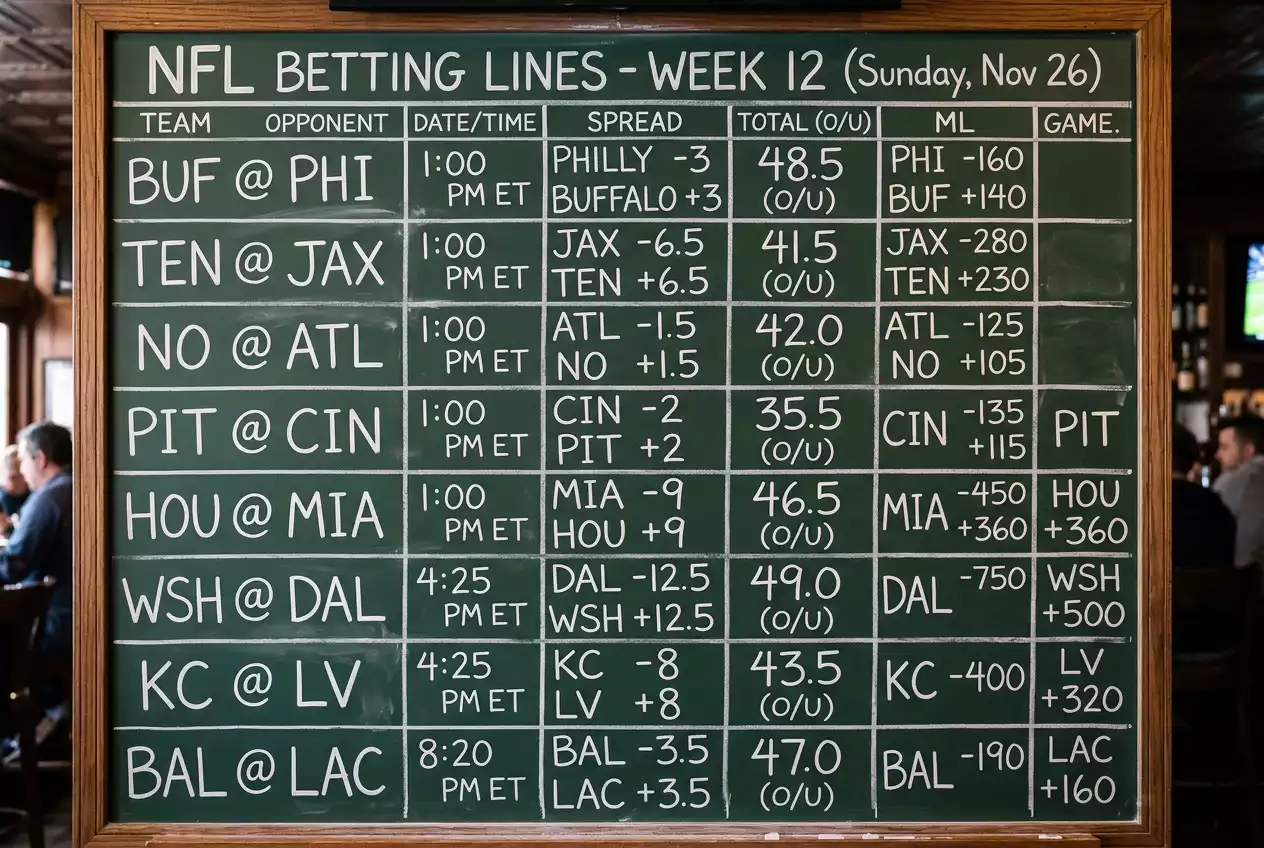
The traditional estimate of three points has declined over the past two decades. Current data supports a league-wide average closer to 1.5 to 2 points, though individual venues vary. Dome stadiums with strong attendance may warrant slightly higher estimates, while neutral-venue games like the London fixtures should carry minimal or no home-field adjustment.
Has home-field advantage in the NFL been declining?
Yes. Home teams won around 58% of games in the 1990s compared to approximately 53-54% in recent seasons. Improved travel logistics, standardised playing surfaces, and enhanced digital preparation have reduced the traditional advantages of playing at home. The trend is gradual but consistent across two decades of data.
Written by the editors at nfl Betting Ofds.