NFL Game Prop Bets: Team Totals and Quarter Margin Odds
 Available in US
Game props occupy a strange middle ground in the NFL betting landscape. They are not as straightforward as a spread or a moneyline, not as individual as a player prop, and not as random as a novelty bet. They sit in between – covering team-level outcomes within the game that most casual bettors ignore. That neglect is exactly why I find value here more consistently than in any other prop category.
Americans wagered 30 billion dollars on the 2025 NFL season through legal sportsbooks, per the American Gaming Association. The bulk of that money flows into spreads, moneylines, and totals. Game props – team totals, half lines, quarter bets, and drive-based markets – receive less attention and less liquidity, which means the bookmaker’s pricing is less precise and the edges are wider.
NFL Team Totals vs Combined Game Totals Betting Markets
Last season I made a deliberate shift: for every game where I had an opinion on the total, I checked whether the team total offered better value than the game total. The results surprised me – team totals produced a higher return than game totals across the season, because they allowed me to isolate my analysis to the side of the ball I felt most confident about.
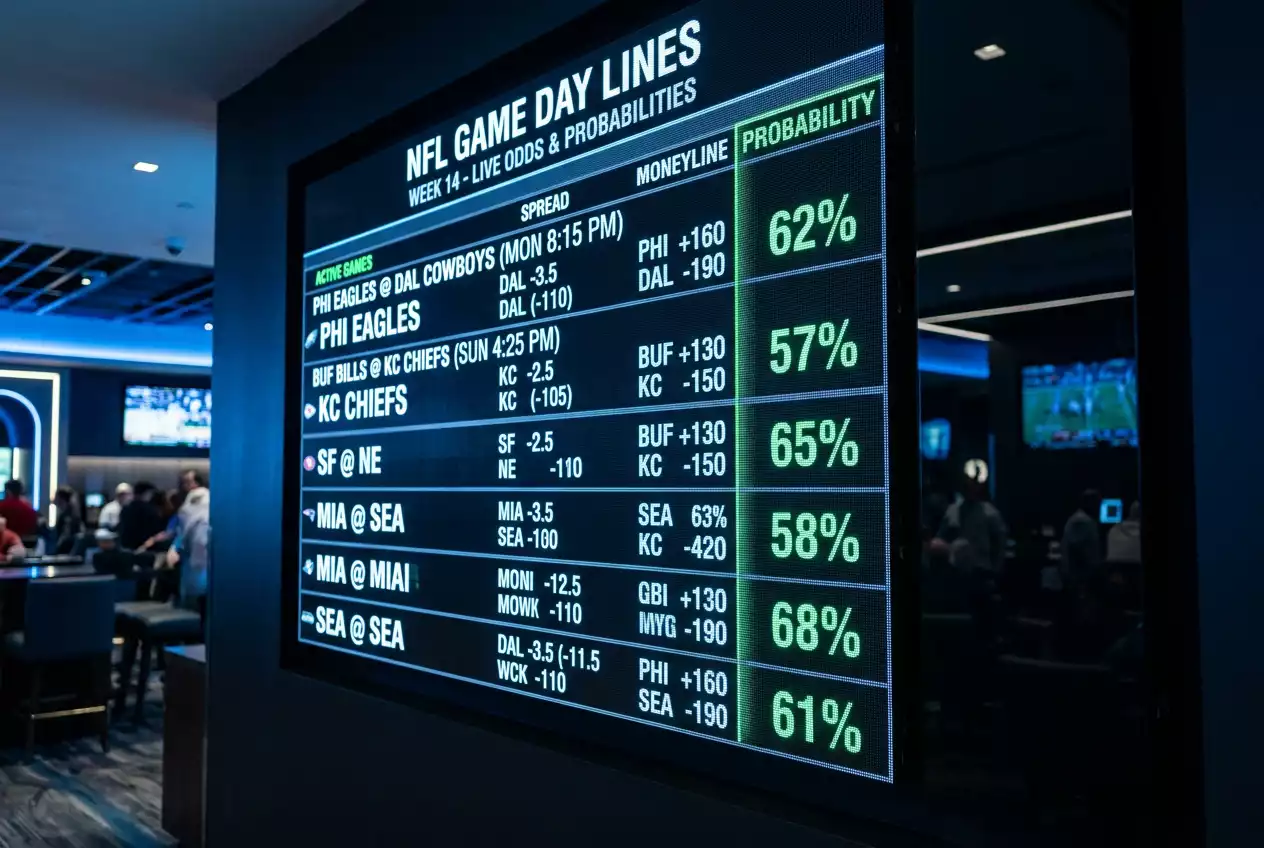
A game total is the combined expected score of both teams. A team total is the expected score of one specific team. If the game total is 47 and the spread is -7, the implied team totals are roughly 27 for the favourite and 20 for the underdog. Most sportsbooks offer team totals as a separate market, and the lines are derived from the game total and spread – but the pricing is not always perfectly efficient.
The advantage of team totals is precision. If my analysis says the Packers’ offence is underrated but the Bears’ offence is accurately priced, I do not want to bet the full-game over and take exposure on the Bears scoring their fair share. I want to bet the Packers’ team total over, isolating the edge I have identified. This targeted approach reduces noise and increases the conversion rate of correct analysis into profitable bets.
I look for discrepancies between my projected team total and the posted line – a gap of 1.5 points or more signals a potential bet. Below that threshold, the vig eats the edge.
First-Half Lines and Quarter Betting
First-half markets – spreads and totals for the first two quarters only – are my favourite subset of game props. The reasoning is counterintuitive: you might expect halftime markets to be noisier than full-game markets because the sample is smaller. In practice, first halves are more predictable because coaching strategies are most structured in the opening thirty minutes.
Teams follow their gameplans more closely in the first half. Scripted opening drives, conservative defensive play-calling, and deliberate tempo characterise the early portion of most NFL games. By the second half, adjustments, desperation, and garbage time introduce volatility that blurs the analytical signal. I find that my projections are more accurate for first halves than for full games, which translates into a higher hit rate on first-half bets.
The NFL generates more wagering handle than any other league at operators like DraftKings, despite fewer games, per ESPN. That concentrated handle means full-game lines are priced very tightly – but first-half lines receive less scrutiny and less sharp money, which creates more opportunity.
Quarter betting takes the concept further, dividing the game into four segments. The margins here are wider – both the bookmaker’s and the potential edge. I use quarter bets sparingly and only in specific situations: when I expect a fast start from a team with a strong scripted opening drive, or when I expect a slow first quarter between two teams that historically start conservatively. The sample size per quarter is small enough that randomness dominates, so I keep stakes minimal and treat quarter bets as supplementary rather than core wagers.
Drive-Based Markets and Their Volatility
Drive-based markets – bets on the outcome of individual offensive drives – are the newest addition to the NFL game-prop menu, and they are the most volatile market I have encountered. Each drive is essentially an independent event with a limited number of possible outcomes: touchdown, field goal, punt, turnover, or end of half.
The appeal is immediacy. You do not have to wait four hours for a result. The risk is that the sample size per bet is exactly one drive – there is no averaging out, no regression to the mean, no long-run efficiency to lean on. Every drive bet is a standalone coin flip influenced by field position, timeout management, and the specific personnel on the field at that moment.
I engage with drive markets selectively, primarily during in-play sessions where I have a strong read on the game’s momentum. If a team has moved the ball efficiently on three consecutive drives and is starting a new possession at midfield, the probability of a scoring drive is elevated. The in-play odds may not have fully adjusted, particularly if the previous drive ended in a field goal rather than a touchdown and the market underweights the consistent forward progress.
The key discipline with drive markets is stake control. Because each bet resolves in minutes, the temptation to rapid-fire wagers is enormous. I limit myself to a maximum of three drive bets per game and never exceed my standard prop stake on any of them. The variance is too high for larger positions, and the entertainment value – watching a single drive with money on the outcome – is high enough at small stakes.
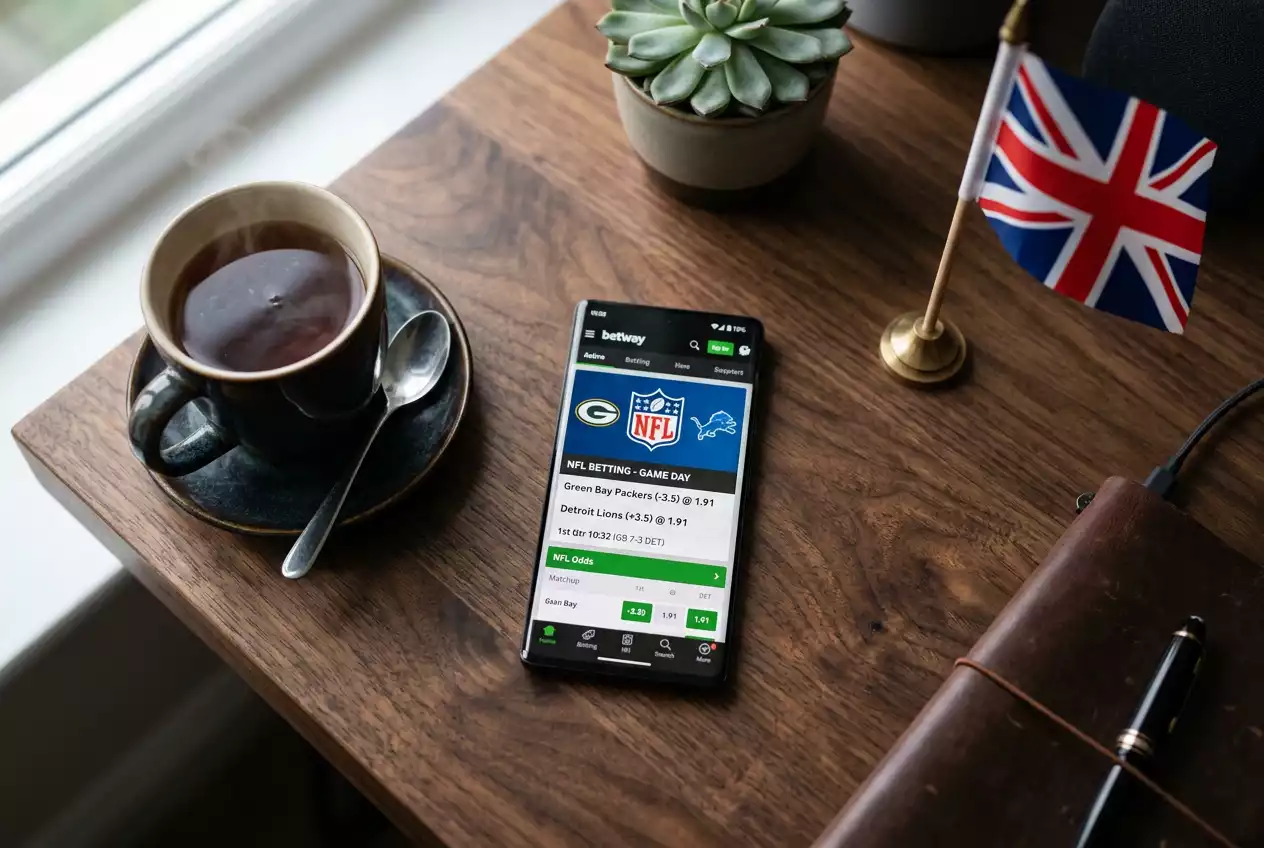
For UK punters who enjoy game props during live NFL viewing, the connection between these markets and the broader in-play betting experience is seamless. My guide on NFL live betting covers the mechanics of how in-play odds shift during a game and how to stay disciplined in the fast-moving environment that game props inhabit.
What is the difference between a team total and an over/under?
A team total is the expected score of one specific team, while an over/under (game total) is the expected combined score of both teams. If the game total is 47 and the spread is -7, the implied team totals are approximately 27 for the favourite and 20 for the underdog. Team totals allow you to isolate your analysis to one side of the ball, which is useful when you have a strong view on one team’s offence or the opposing defence but not both.
Are first-half NFL lines more predictable than full-game lines?
In many cases, yes. First halves tend to follow gameplans more closely, with scripted opening drives and structured defensive strategies. Second halves introduce adjustments, desperation passing, and garbage-time scoring that increase volatility. First-half lines also receive less sharp betting action than full-game lines, which can leave the pricing slightly less efficient and create more opportunity for analytical bettors.
Written by the editors at nfl Betting Ofds.