NFL Over/Under Totals: Betting on Combined Match Scores
 Available in US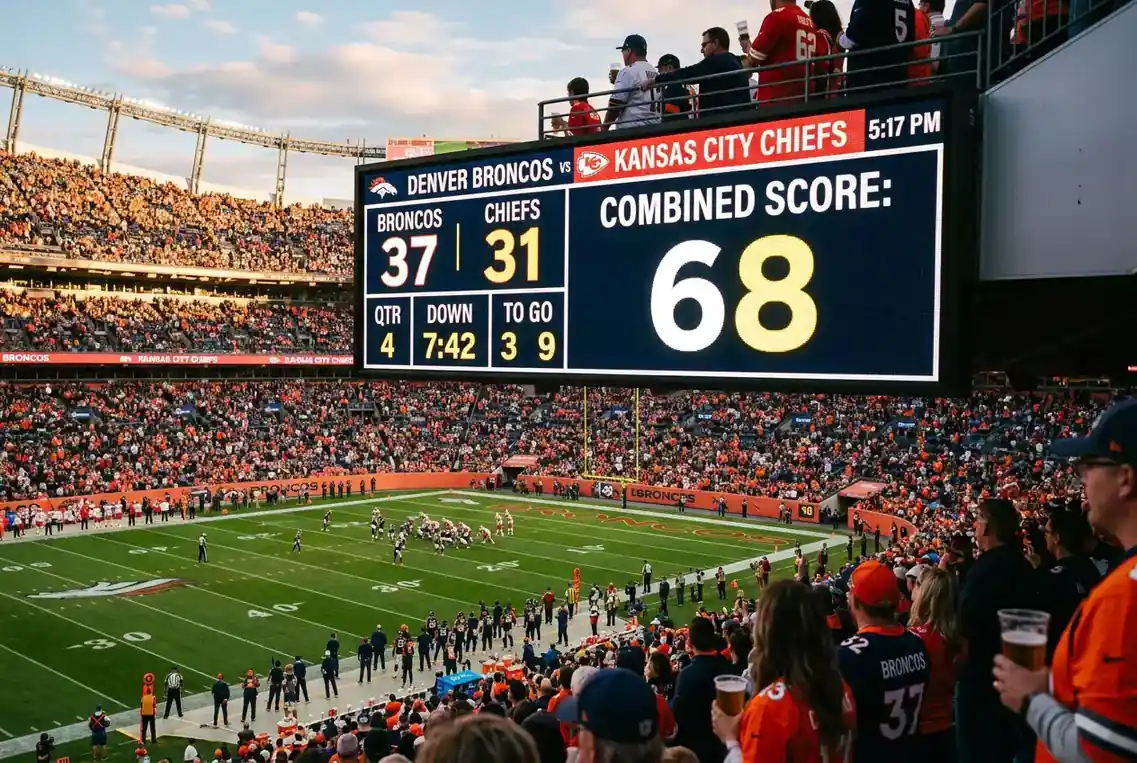
Totals betting stripped away everything I thought I knew about picking sides. I did not need to care who won. I needed to care how the game would be played – tempo, weather, defensive schemes, red-zone efficiency. That shift in perspective opened up an entirely different set of edges, and after eight years of doing this, totals remain my favourite NFL market.
An over/under line is a single number representing the bookmaker’s expected combined score of both teams. Your job is to decide whether the actual combined score will finish above or below that number. If the line is 47.5, the over wins at 48 or higher, the under wins at 47 or lower. The half-point eliminates the possibility of a push.
NFL Over/Under Odds Generation and Match Scoring Lines
I used to think bookmakers set totals by averaging recent scores. They do not. The process is far more sophisticated, and understanding it gives you a real advantage.
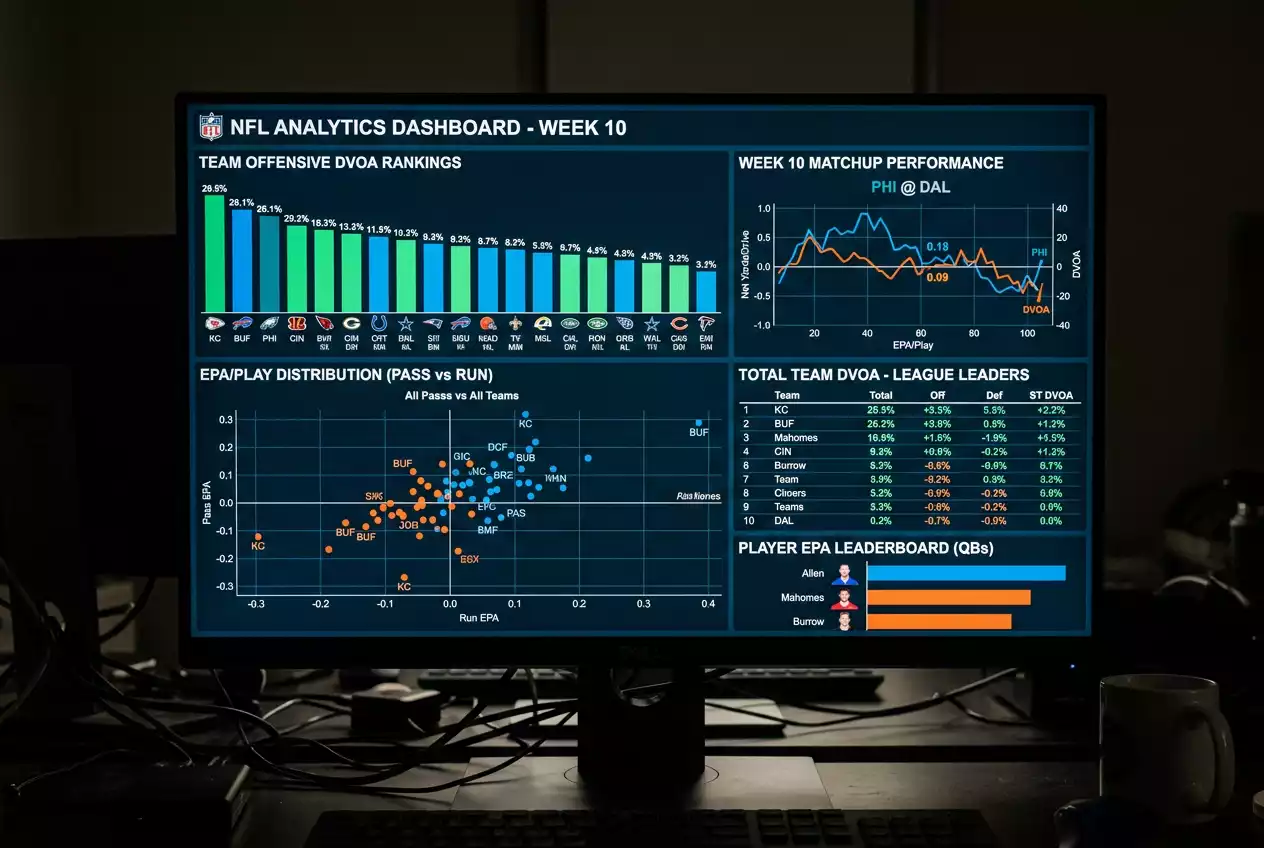
Oddsmakers begin with power ratings for each team, breaking offence and defence into component metrics – passing efficiency, rushing success rate, turnover tendency. They combine those ratings into a projected score for each side, then add the two projections together. A team projected to score 24 against a team projected to score 21 yields an opening total of 45.
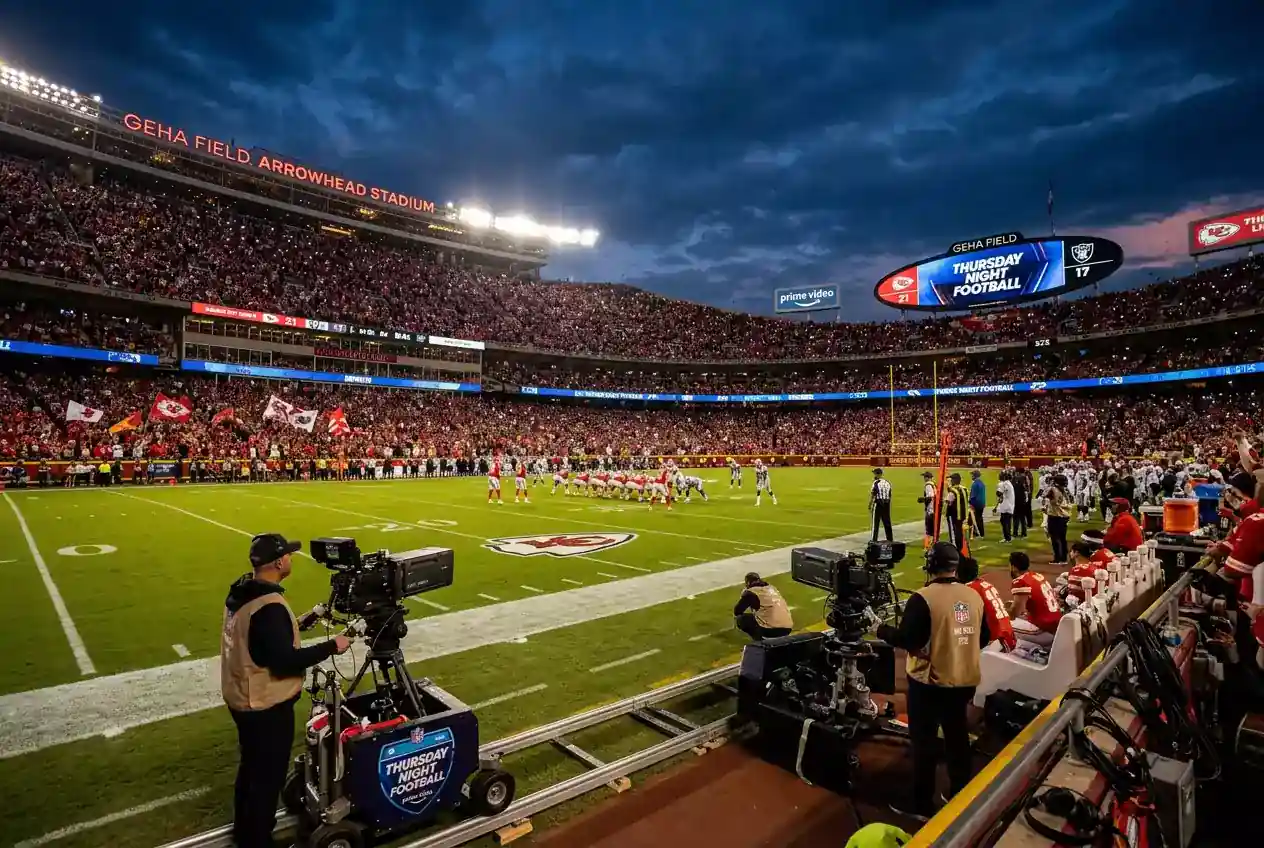
From there, situational adjustments layer on. A dome game between two pass-heavy offences might bump the number up by a point or two. A December outdoor game with wind forecasts above 20 mph will push it down. Short-week games – Thursday night fixtures especially – tend to see slightly lower totals because preparation time is compressed and offences often look less polished. The NFL generates more wagering handle than any other league at operators like DraftKings, per ESPN reporting, which means the market for totals is deep and adjustments happen fast once the number is released.
After the opening line drops, money flows in. If the public hammers the over, the total rises. If sharp bettors load the under, it falls. By kickoff, the total reflects a blend of the bookmaker’s model, public sentiment, and professional money. Your edge, if one exists, comes from identifying where that blend has drifted away from the most likely outcome.
Factors That Push Totals Up or Down
Not all factors are created equal, and one of the mistakes I made early on was weighting them evenly. After tracking five full seasons of totals bets, here is my hierarchy.
Pace of play is the biggest single driver. Teams that run more offensive plays per game generate more scoring opportunities. A matchup between two up-tempo offences can legitimately add three to five points to a total compared to a game between two run-heavy, clock-draining squads. I look at plays per game and average time of possession, but plays per game matters more because time of possession is inflated by running teams that may not actually score.
Defensive efficiency ranks second. A top-five defence in points allowed per drive creates a ceiling on the total. When two bottom-ten defences meet, the ceiling lifts and the total can soar past 50. I pay particular attention to red-zone defence – a unit that bends but does not break, allowing yards between the twenties but stiffening near the goal line, suppresses scoring more than its yardage stats suggest.
Injuries to key offensive players move totals sharply. A starting quarterback going down can drop the total by three to five points within minutes of the announcement. A backup running back entering the lineup matters less, because passing drives tend to produce similar point expectations regardless of who is carrying the ball on early downs.
Game script – the expected flow of the contest based on the spread – also matters. If one team is a heavy favourite, the game may become a blowout that triggers the losing team to pass more aggressively in the second half, inflating the combined score. Alternatively, a blowout can lead to kneel-downs and conservative play-calling that suppresses late scoring. The relationship between spread and total is not linear, and I have found that games with spreads between 3 and 7 tend to produce the most scoring volatility.
Weather, Altitude and Outdoor Venues
Three Decembers ago I ignored a 25 mph wind forecast in Chicago, backed the over at 43.5, and watched both quarterbacks throw like they were using a bar of soap. The game finished 13-9. I have not ignored wind since.
Wind above 15 mph measurably impacts passing accuracy, and passing drives are the primary engine of NFL scoring. Once sustained wind passes 20 mph, I lower my personal projection by two to three points from the posted total. Snow has a similar but less consistent effect – light snow barely matters, heavy snowfall on a frozen surface compresses scoring dramatically. Rain is the least impactful of the three, unless it is a genuine downpour that turns the ball into a fumble magnet.
Altitude deserves a quick mention for completeness. Denver sits at 5,280 feet above sea level, and the thinner air allows the ball to travel farther on passes and kicks. Totals in Broncos home games historically run slightly higher than equivalent matchups at sea level. It is a small edge, but if you are already leaning over on a Denver game, the altitude factor reinforces the lean.
Since 2007, the UK has hosted over 39 regular-season NFL games, with a record attendance of 86,651 at Wembley in 2024 according to Sky Sports and NFL.com data. London fixtures are played indoors at Tottenham Hotspur Stadium or under the Wembley arch, which neutralises weather as a factor. For these games, I weight pace and defensive matchups more heavily and ignore the forecast entirely. If you want a deeper look at how London venues shape the betting landscape, I have written a full breakdown of NFL London Games and their odds implications.
What happens if an NFL total lands exactly on the line?
If the combined score matches a whole-number total exactly – for example, the line is 44 and the game finishes 24-20 – the bet is graded as a push and your stake is returned in full. Most bookmakers set totals at half-point increments like 44.5 to eliminate pushes, but whole-number totals do appear, particularly on alternate lines.
Do weather conditions affect NFL over/under outcomes?
Yes. Wind is the most impactful weather variable, with sustained speeds above 15 mph measurably reducing passing efficiency and overall scoring. Heavy snow can also compress totals, while rain has a less consistent effect unless it is severe enough to cause fumble problems. Indoor venues and dome stadiums neutralise weather entirely, so these factors only apply to outdoor fixtures.
Created by the ”nfl Betting Ofds” editorial team.